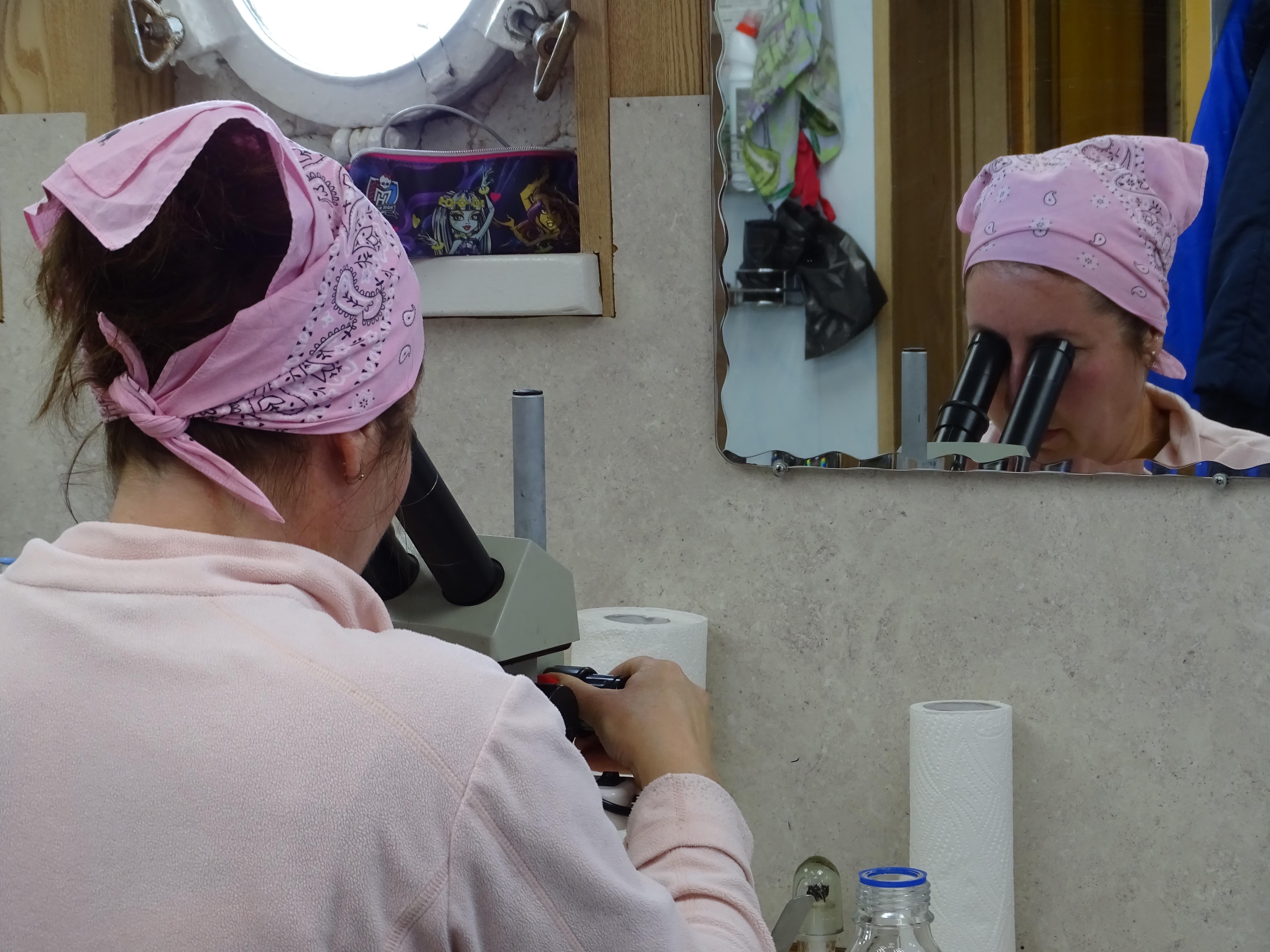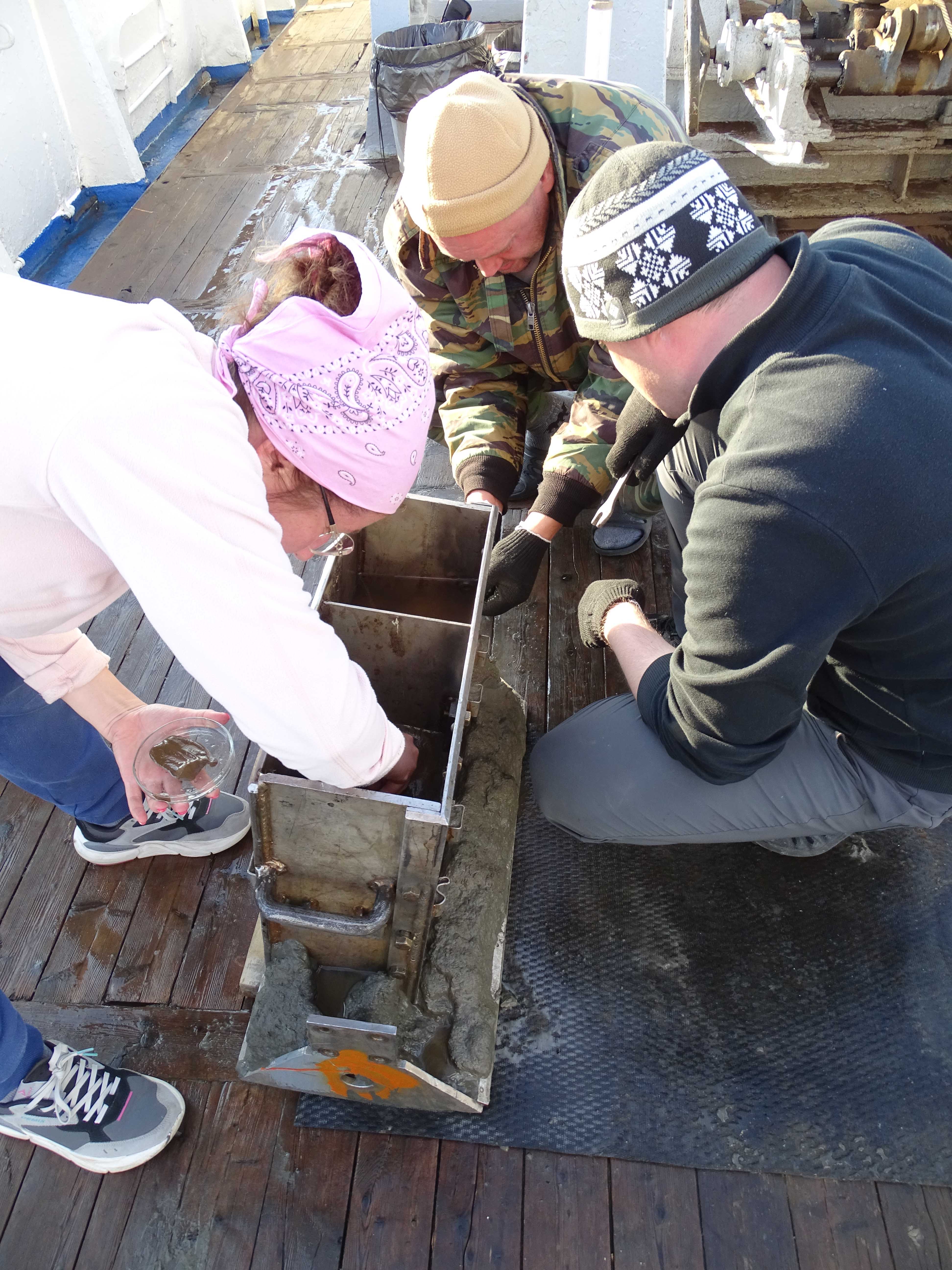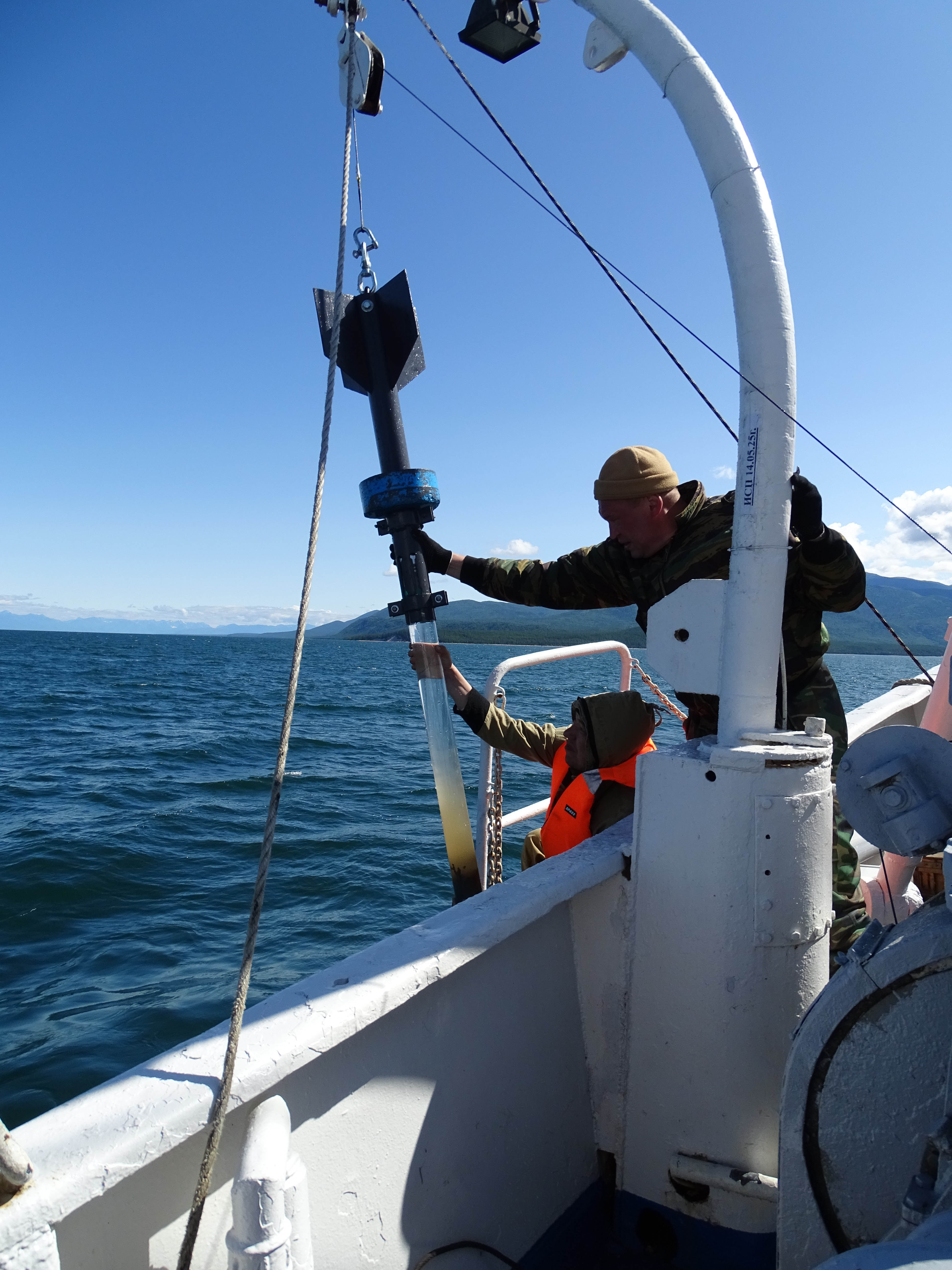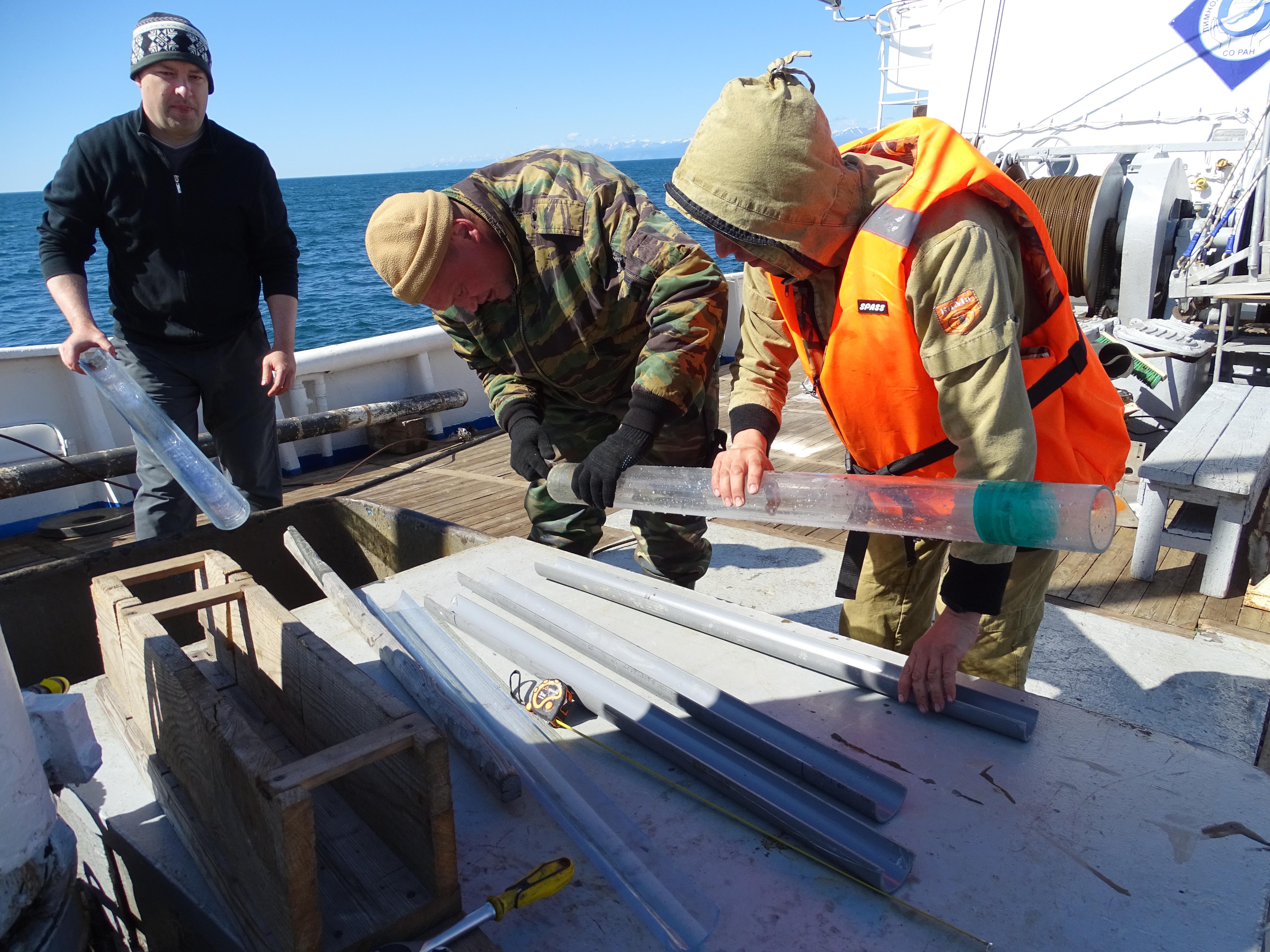



Expedition on R/V G.Yu. Vereshchagin from June 30 to July 11, 2025
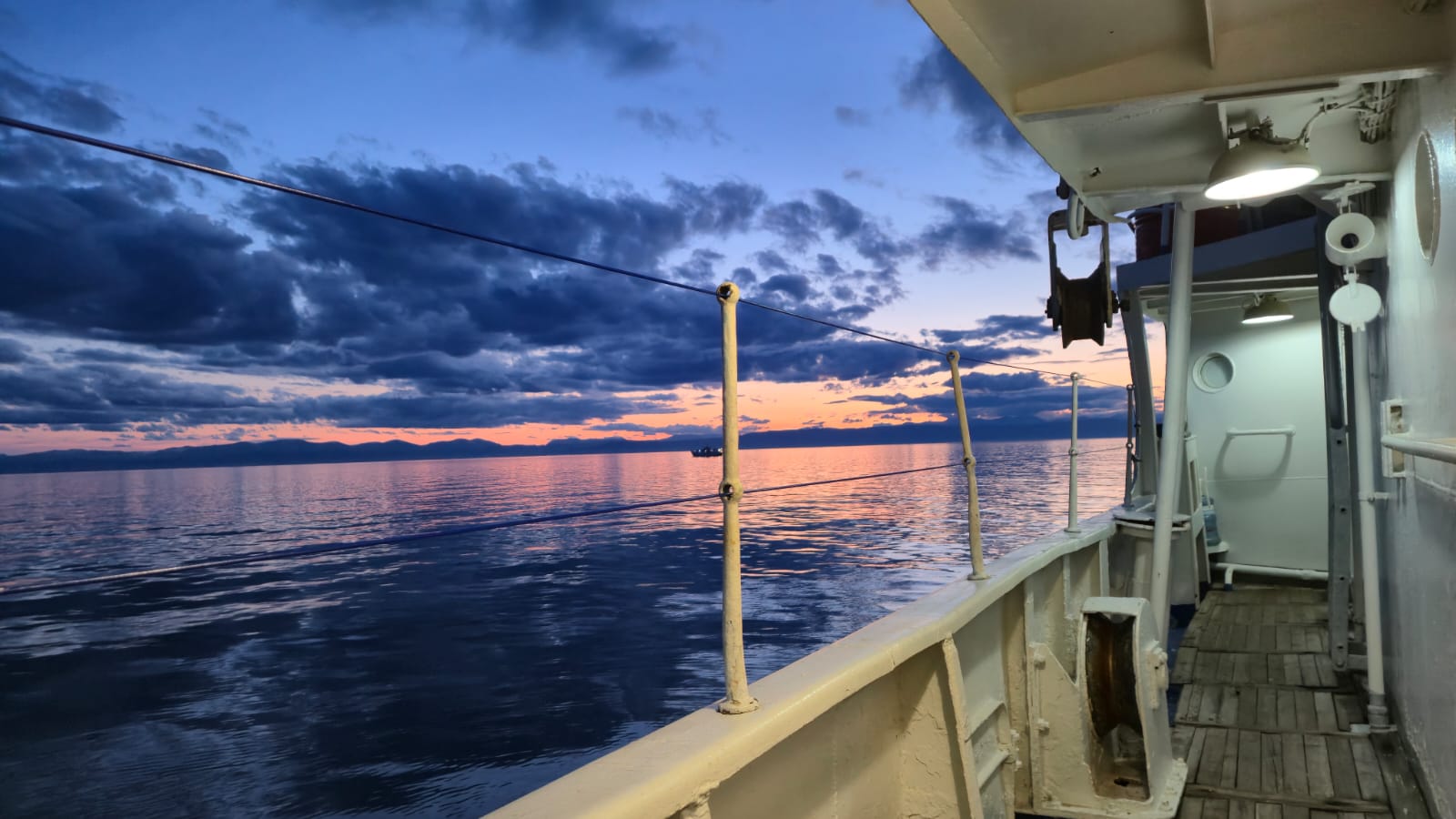
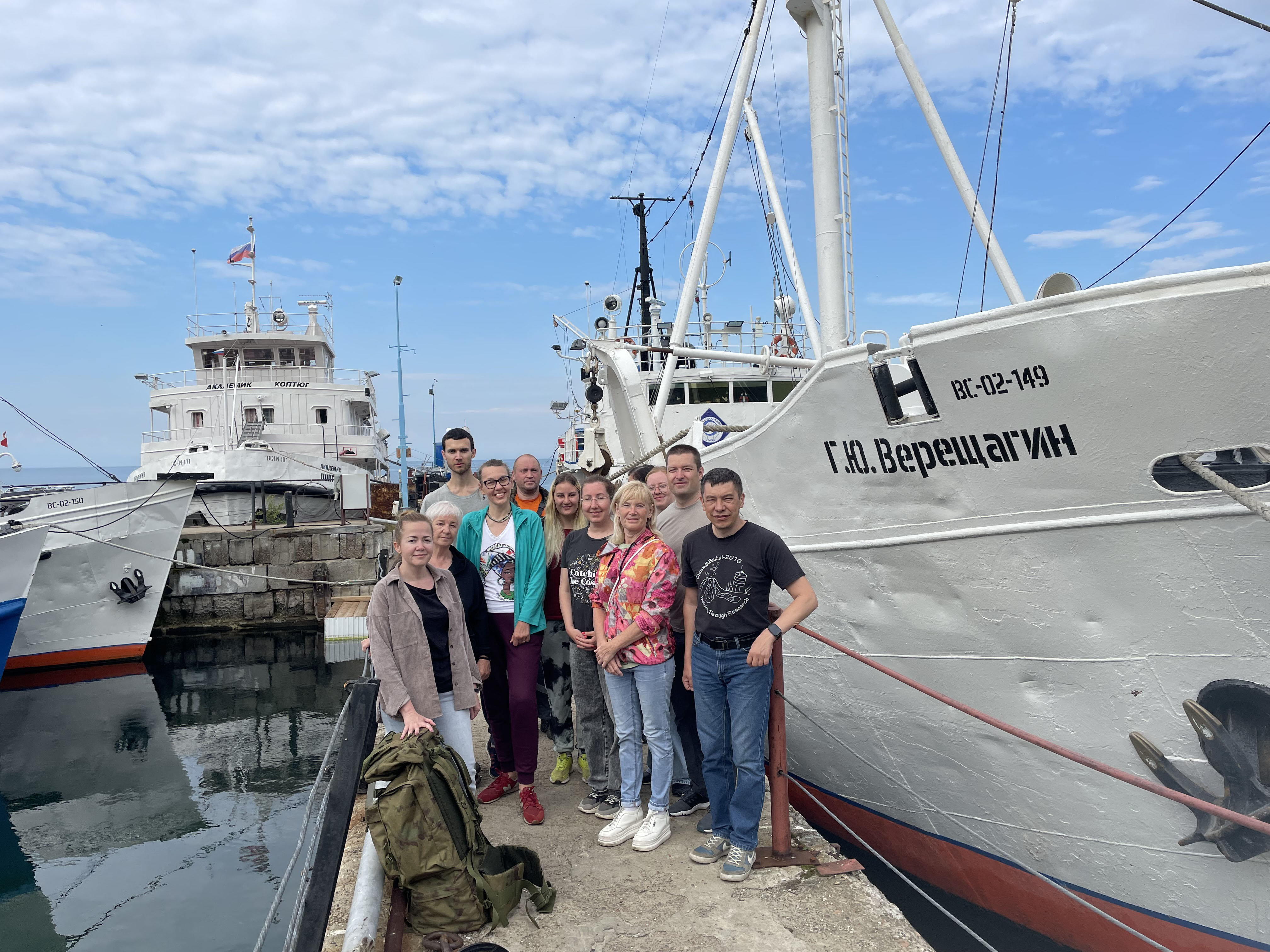
From June 30 to July 11, 2025, the expedition was carried out on board the R/V G.Y. Vereshchagin within the State Assignment “Study of hydrate, oil and gaseous hydrocarbon systems functioning and associated microbial communities in Lake Baikal” (№ 0279-2021-0006) (led by Zemskaya T.I., Khlystov О.М.).
The aim of the expedition is to study the diversity and structure of microbial communities, relative contribution to the communities of decomposers and producers of methane, to search for active strains of microorganisms involved in the formation and conversion of hydrocarbons (gaseous and oil), and to assess the possibility of methane formation by microorganisms under aerobic conditions in the pelagic zone of Lake Baikal. Investigate geochemical conditions, microbial community structure, and the role of microorganisms in hydrocarbon gas oxidation processes, including methane homologues and persistent organic pollutants (POPs).
The objectives of the expedition:
- Extract DNA samples from sediment layers of diverse geological formations, specifically from water column strata with high methane concentrations, to facilitate the identification of the taxonomic diversity of microorganisms through metabarcoding of the 16S rRNA, mcrA and pmoA, which are essential for methane production.
- Collect samples of recovered bottom sediments in the areas of mud volcanoes, an underwater source and a background area to obtain methanogenic enrichment culture on media with various substrates and further purposeful isolation of archaea of order Methanomassilcoccales, of the genera Methanoregula and Methanothrix from them.
- Obtain enrichment cultures of microorganisms involved in the oxidation of methane homologues and POPs from the bottom sediments of methane seeps, mud volcanoes, and oil showings in Lake Baikal (Bolshaya Zelenovskaya, Gorevoy Utes).
- Assess the contribution of depth discharge markers (boron, lithium, strontium) in the pore waters of bottom sediments from four sites (mud volcanoes of Saint Petersburg, Novosibirsk, the low-temperature underwater source of Frolikha, and a background area) to determine the depth of the fluid source.
- Study the composition of microbial communities in two sites where authigenic carbonates of rhodochrosite composition are formed, using 16S rRNA gene analysis. Examine the morphology of the carbonates through scanning microscopy and analyze their composition based on EDAX. Study the geochemical parameters in the sediments of their formation.
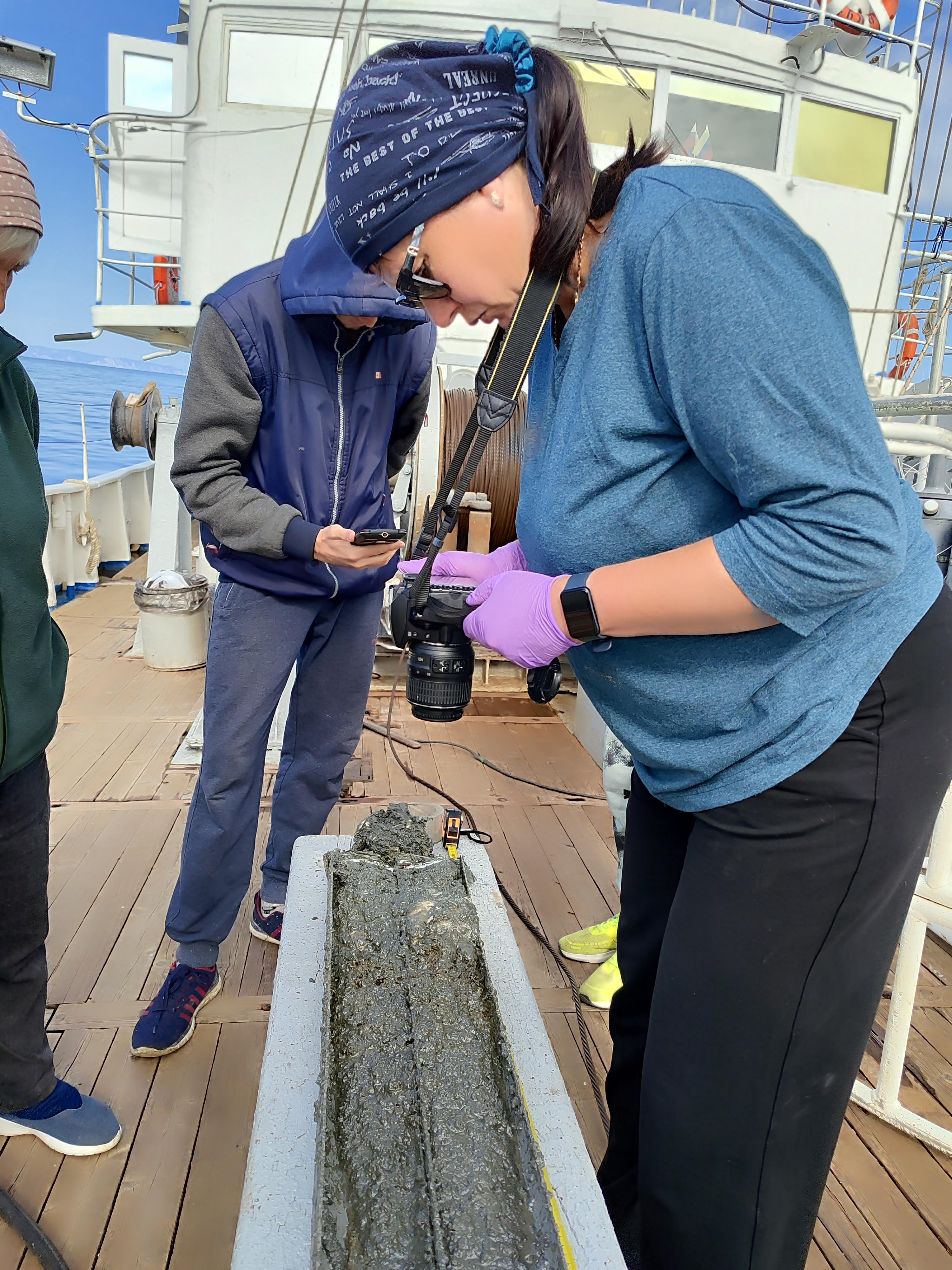
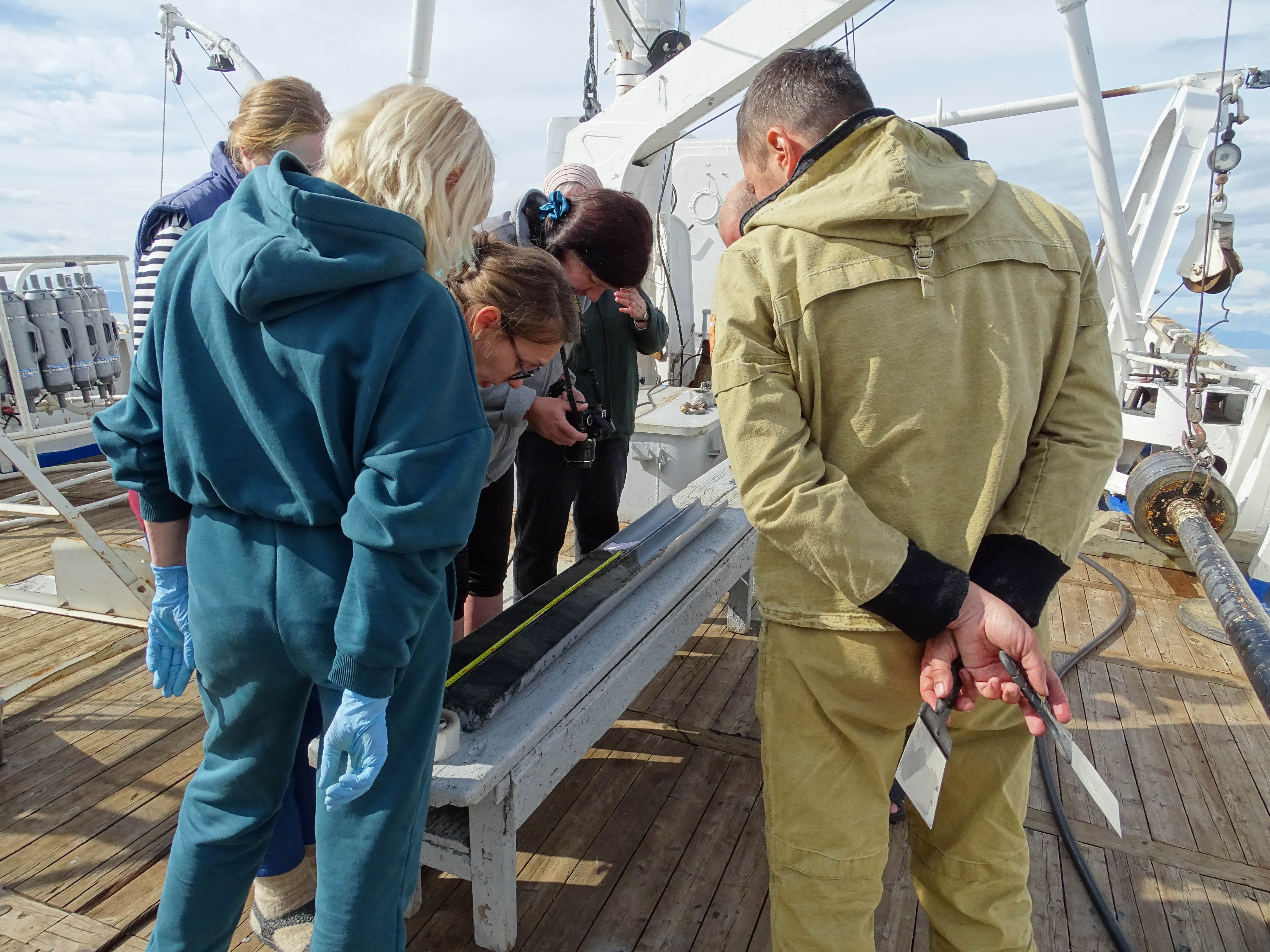
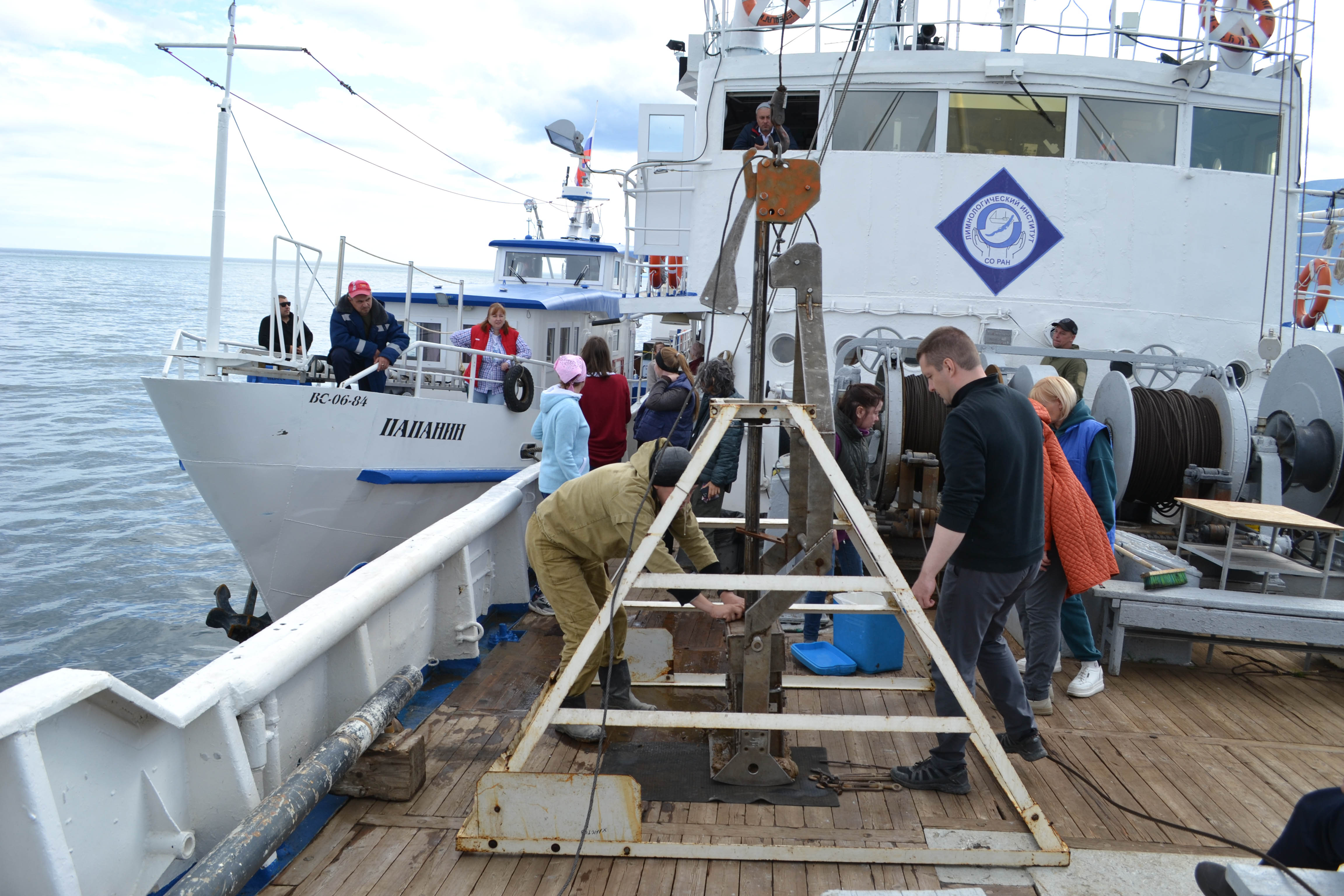
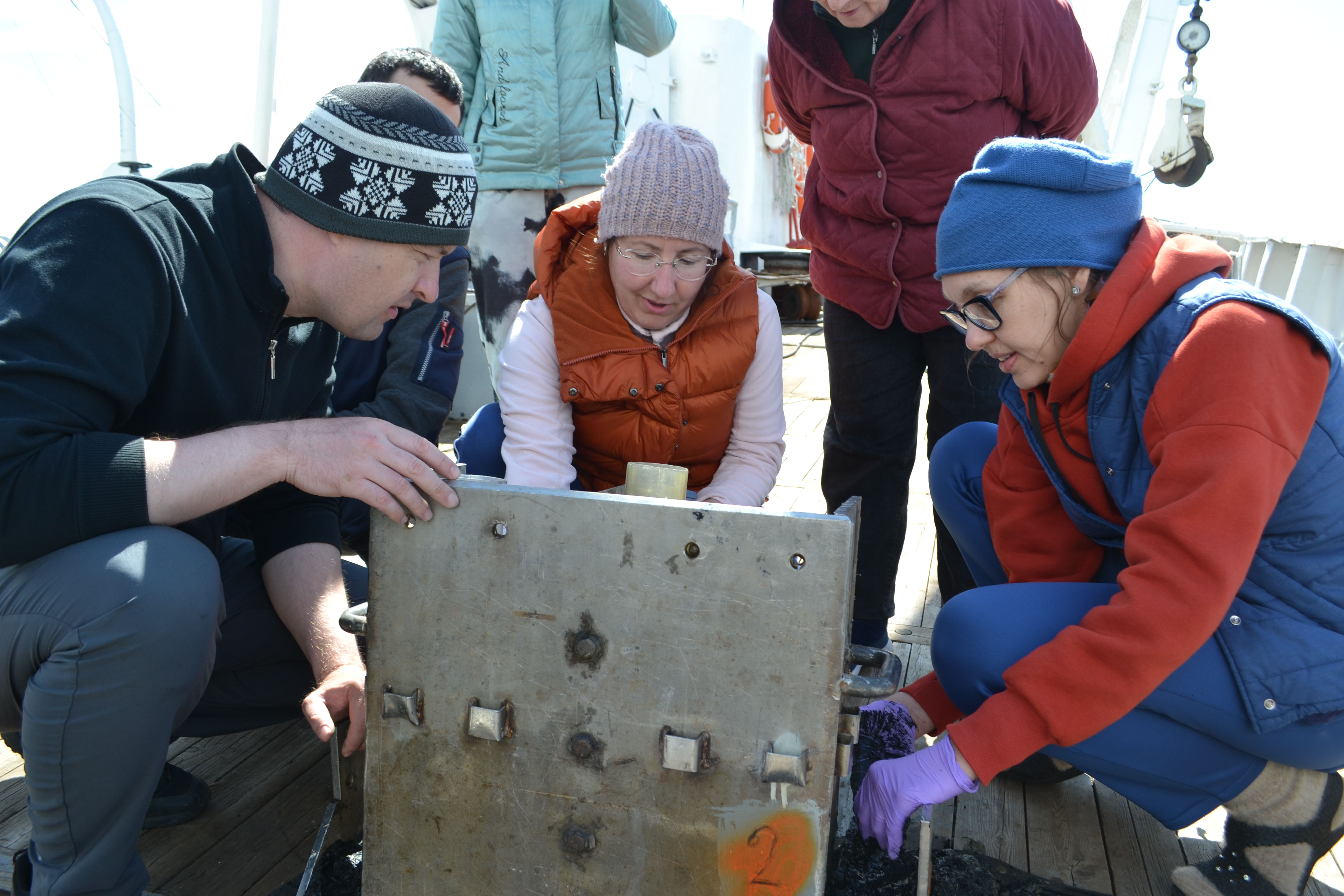
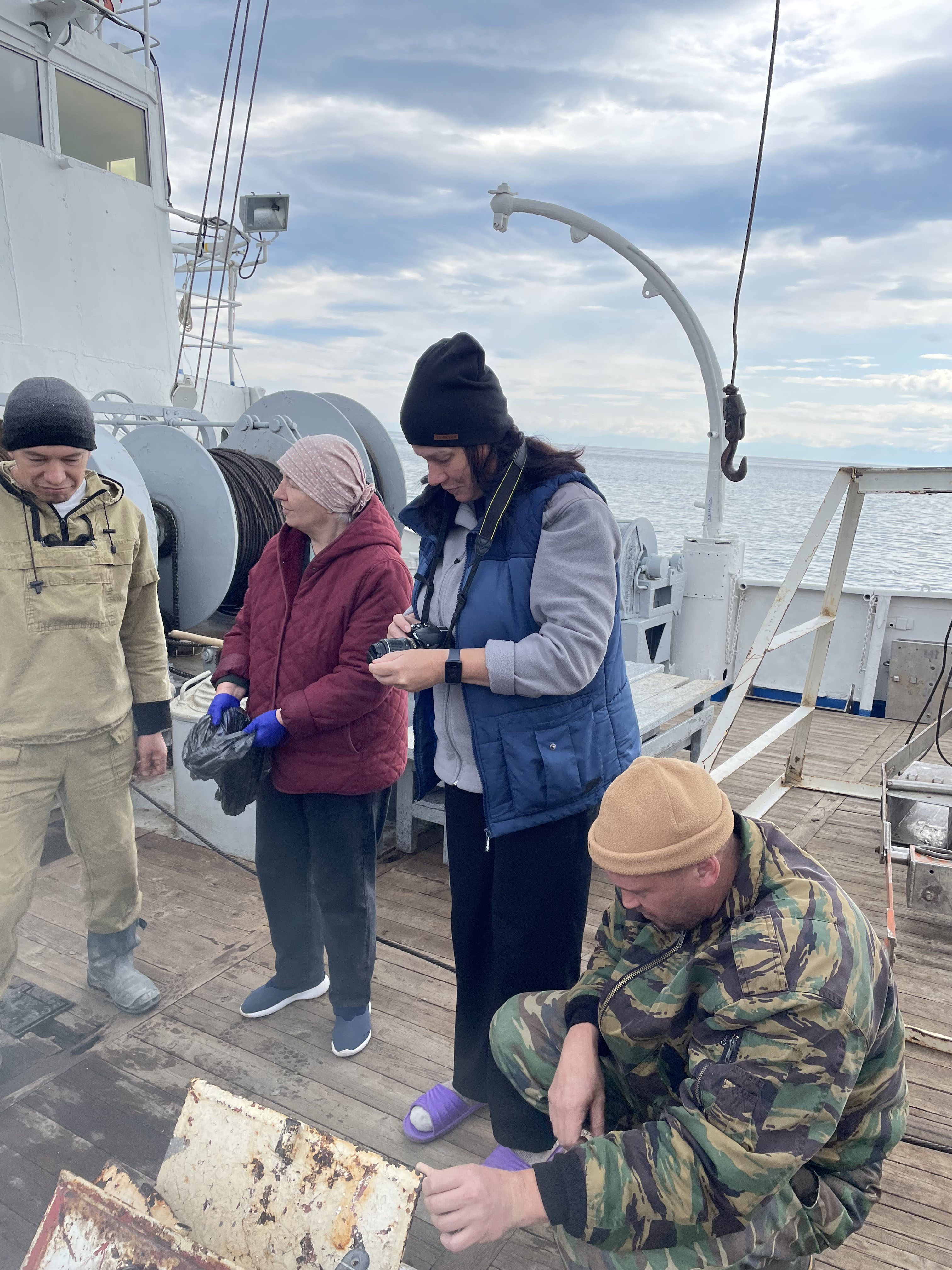
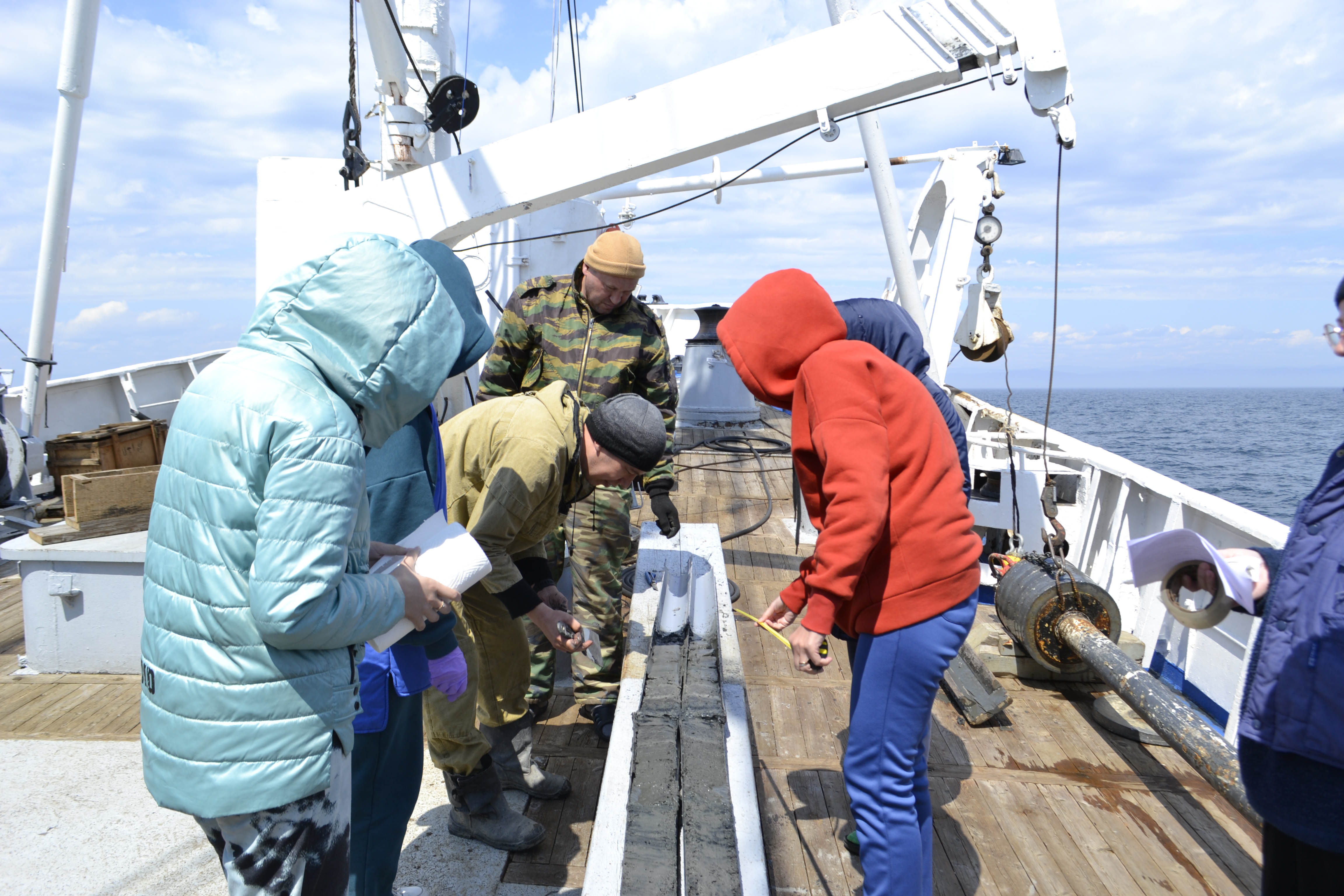
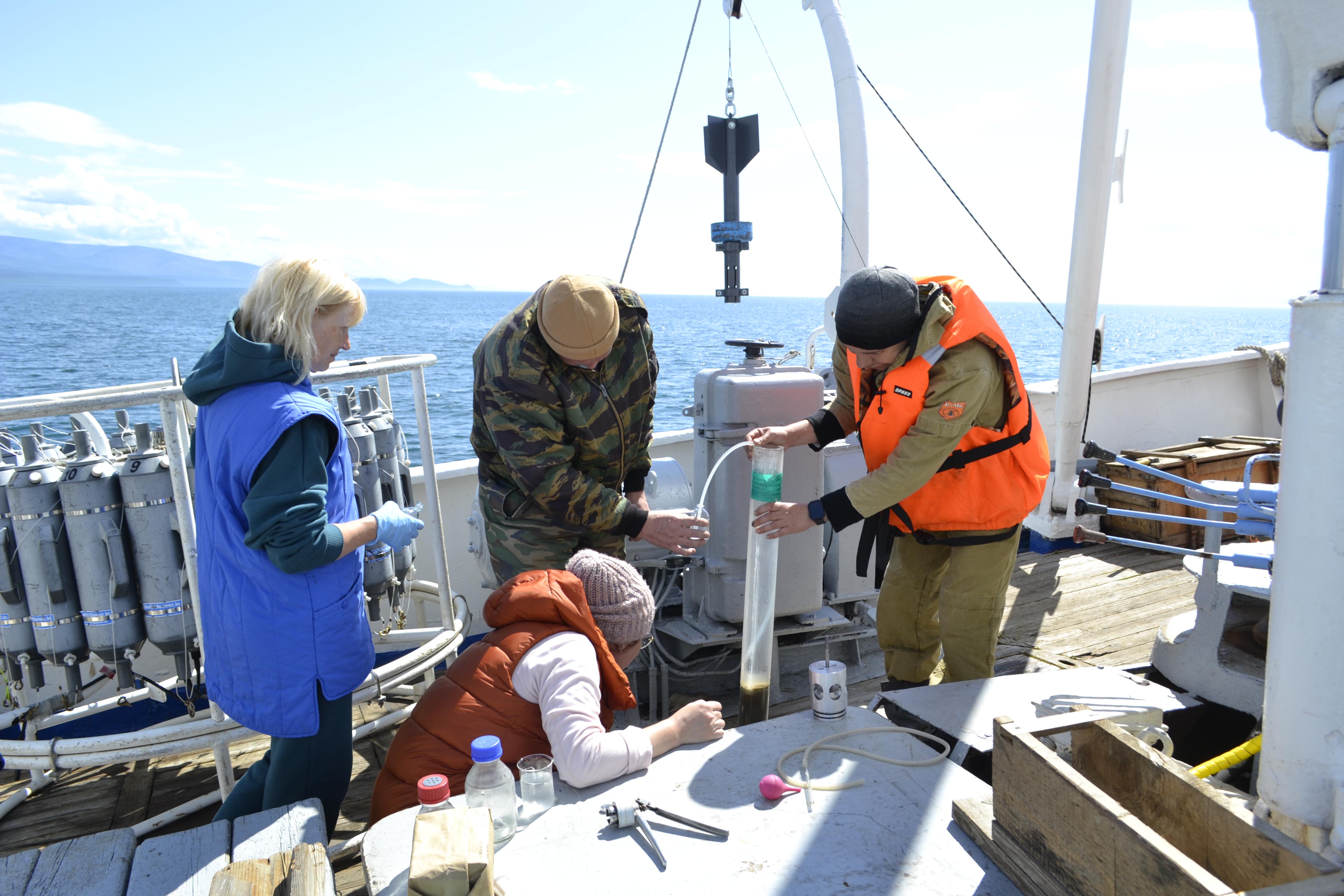
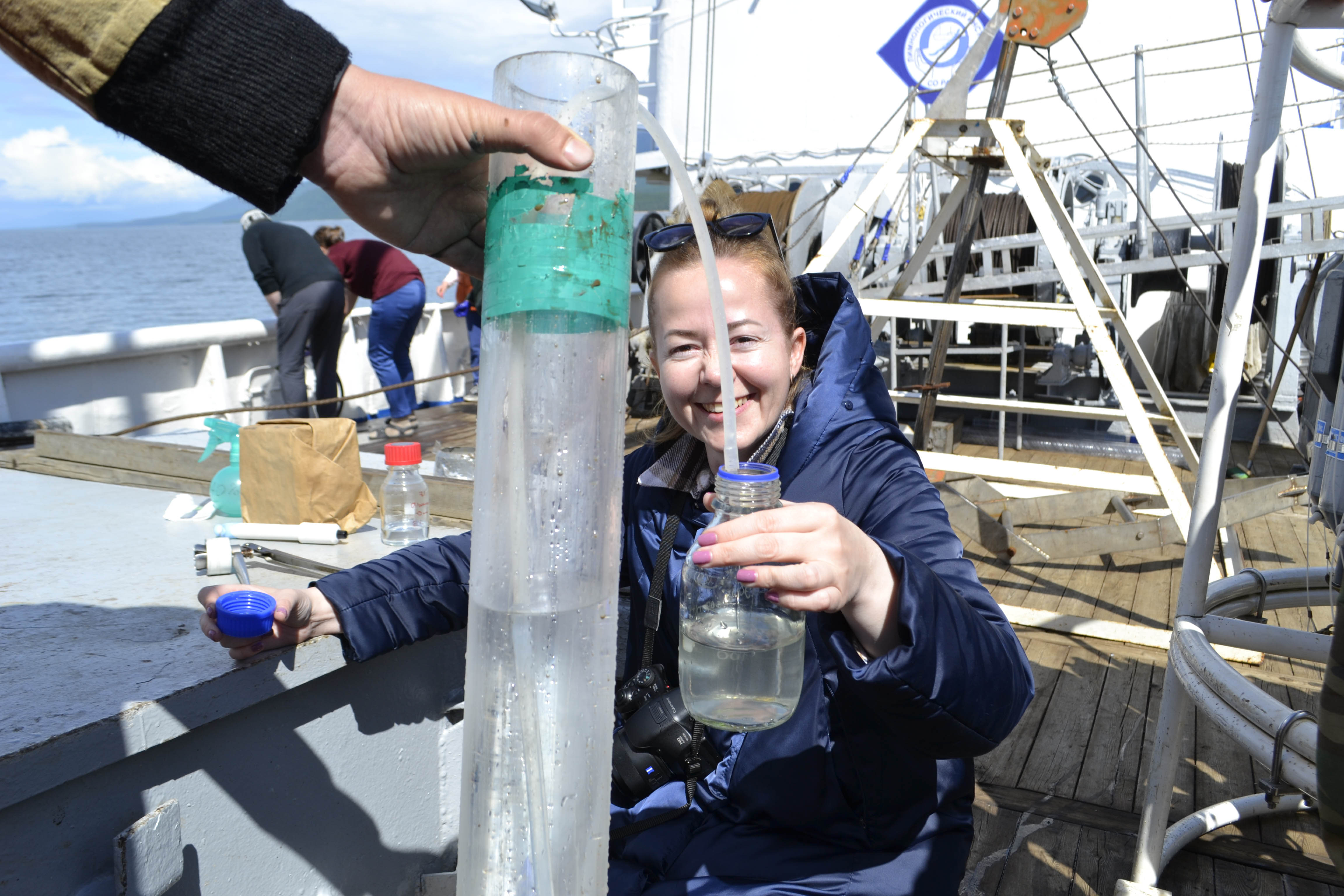
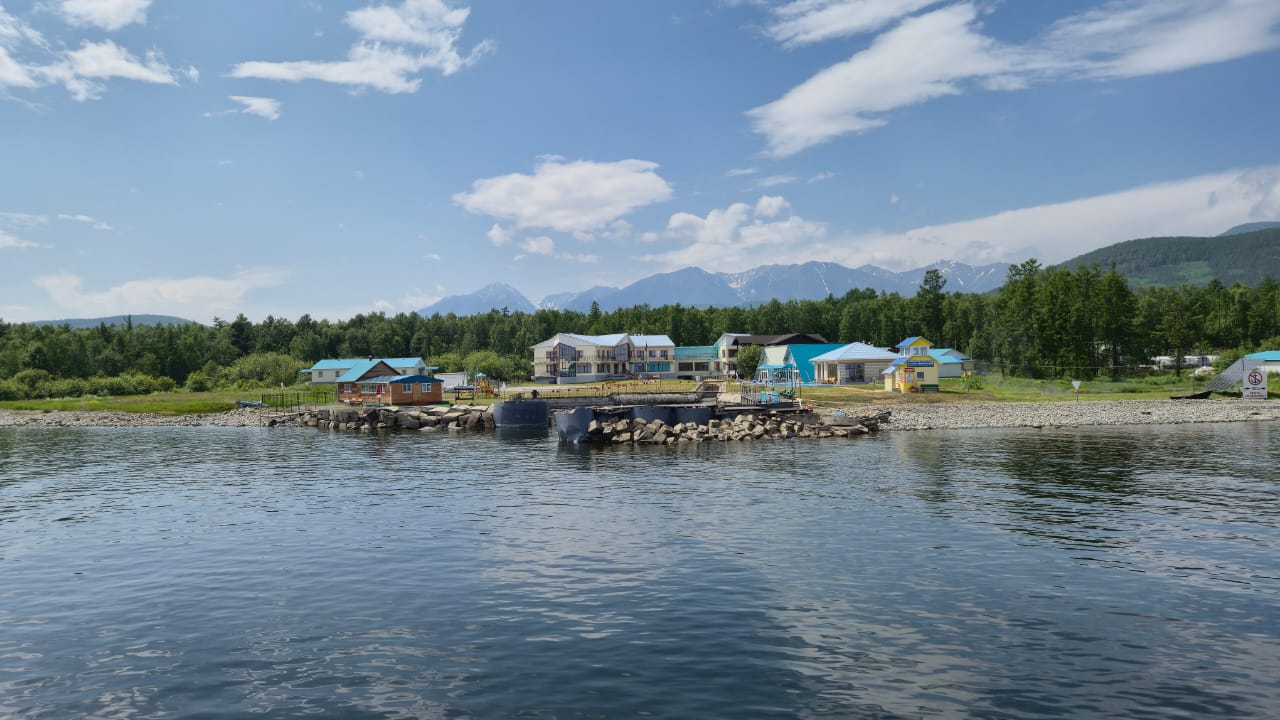
Sample collection was conducted in various ecotopes of the lake, which included zones with continuous sediment accumulation in three basins of the lake (southern, central, and northern); zones of discharge for oil and gas-bearing mineralized fluids (Bolshaya Zelenovskaya and Gorevoy Utes), the Kotelnikovsky hot spring, sites with deep-water mud volcanoes (Saint Petersburg, Novosibirsk, and the Seep Krasny Yar), shallow-water zones within the fault zone (Malaya Kosa, B. Solontsovaya), the site of the underwater low-temperature source at B. Frolikha, as well as a site in the Maloye More Bay (Aral-Khoboy). Samples of water column and bottom sediments were taken at 14 stations. Methane concentrations in water and bottom sediments, concentrations and component composition of pore waters in different layers of bottom sediments were measured, photographic materials of the obtained cores were prepared. The chemical composition of 130 pore water samples was analyzed to characterize the habitat conditions of microbial communities, as well as the concentration of individual elements (boron, lithium, strontium) to assess the depth of the fluid source entering the surface layers of the sedimentary stratum of Lake Baikal. In addition, the chemical composition of 13 water samples from the middle and northern basins was analyzed to characterize the conditions and determine samples for experimental studies.
In areas of natural oil shows, 10 samples of bottom sediments and 20 samples from the water column were taken. The obtained samples were used to conduct experiments on the biodegradation of polychlorinated biphenyls (PCBs) by microbial communities of the water column and bottom sediments of zones of oil shows under aerobic and anaerobic conditions, as well as to determine the presence of key genes for the destruction of biphenyls in microbial communities in the studied samples. Decrease in PCB under the influence of the Lake Baikal microorganisms will be assessed by chromatography. Enrichment cultures will be used to obtain active strains, biphenyl destructors. All experiments are performed in triplicate.
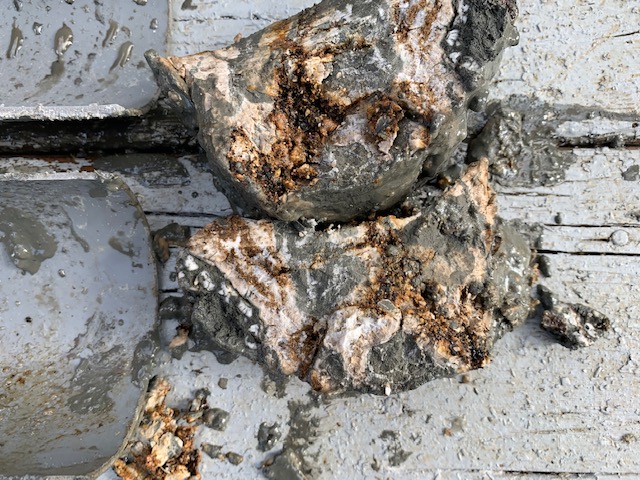
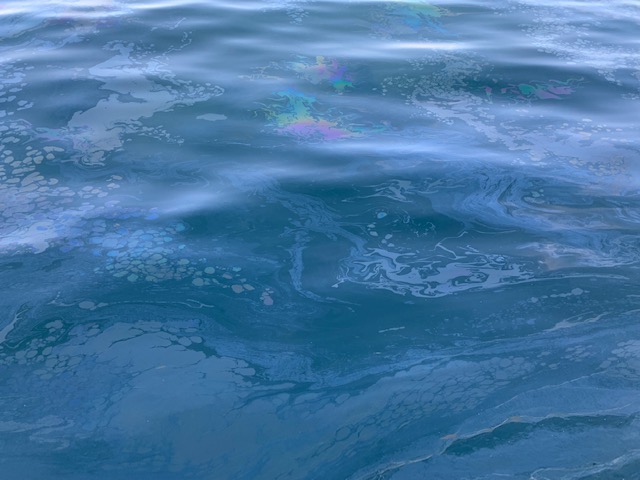
Aerobic hydrocarbon-oxidizing microorganisms were inoculated from water and bottom sediment samples involved in the destruction of hydrocarbons with different chain lengths. A surface film of liquid hydrocarbons and bottom sediment samples containing oil were taken for further chromatographic analysis of the composition of the discharged hydrocarbons. The data obtained will enable to assess the changes in the zones of oil shows in comparison with those obtained earlier.
Samples of bottom sediments from zones of natural oil shows wereused to obtain thermophilic enrichment cultures that oxidize various carbon sources (easily-accessible organic substances, hydrocarbon gases, and oil).
To assess the ability of bacteria to form methane under aerobic conditions, samples were prepared for DNA extraction from different layers of the water column in the middle and northern basins, experiments were carried out to cultivate natural microbial communities with the addition of methylamines as a substrate. The concentrations of methane and some ions on 7 horizons of each station were analyzed.
From the water column of 7 sites of Lake Baikal (25 samples), oxidized and restored channels in bottom sediments (9 samples), cultures were taken to isolate methanotrophic bacteria. To obtain the Baikal species of aerobic methanotrophic bacteria, dNMS medium and medium for culturing methanotrophs of phyla Verrucomicrobiota were used. Cultivation is carried out at temperatures (10 and 25 ℃) and different concentrations of SN4 (1%, 5%, 20%) and SO2 (0%, 0.2%, 1%, 10%).
To isolate methanogenic archaea, 10 samples were obtained from different sites of Lake Baikal. For cultivation, media with various sources of energy and carbon were used. In total, 80 enrichment cultures of archaea were prepared on specific media with the addition of H2+CO2, acetate, methanol and methylamines.
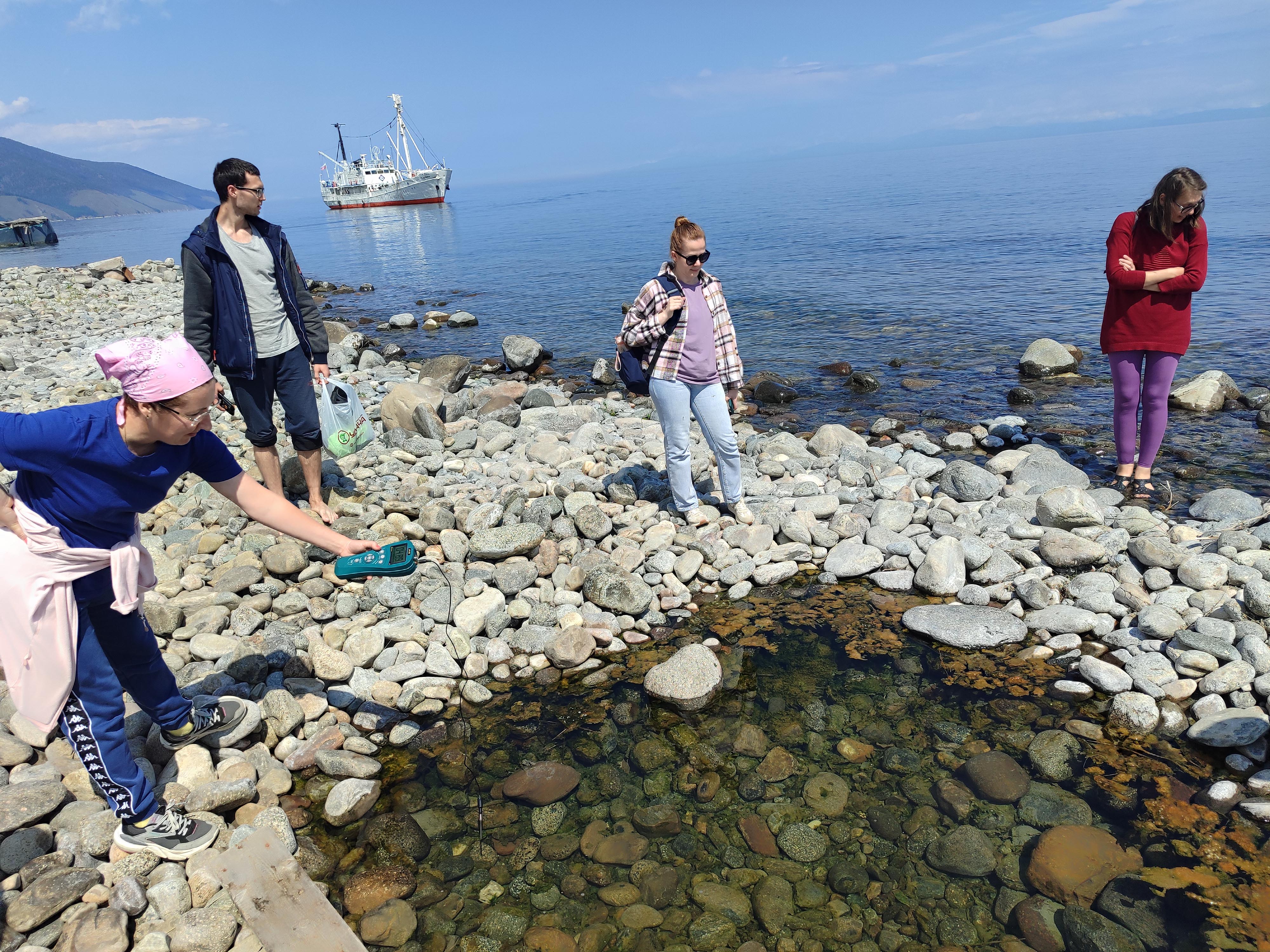
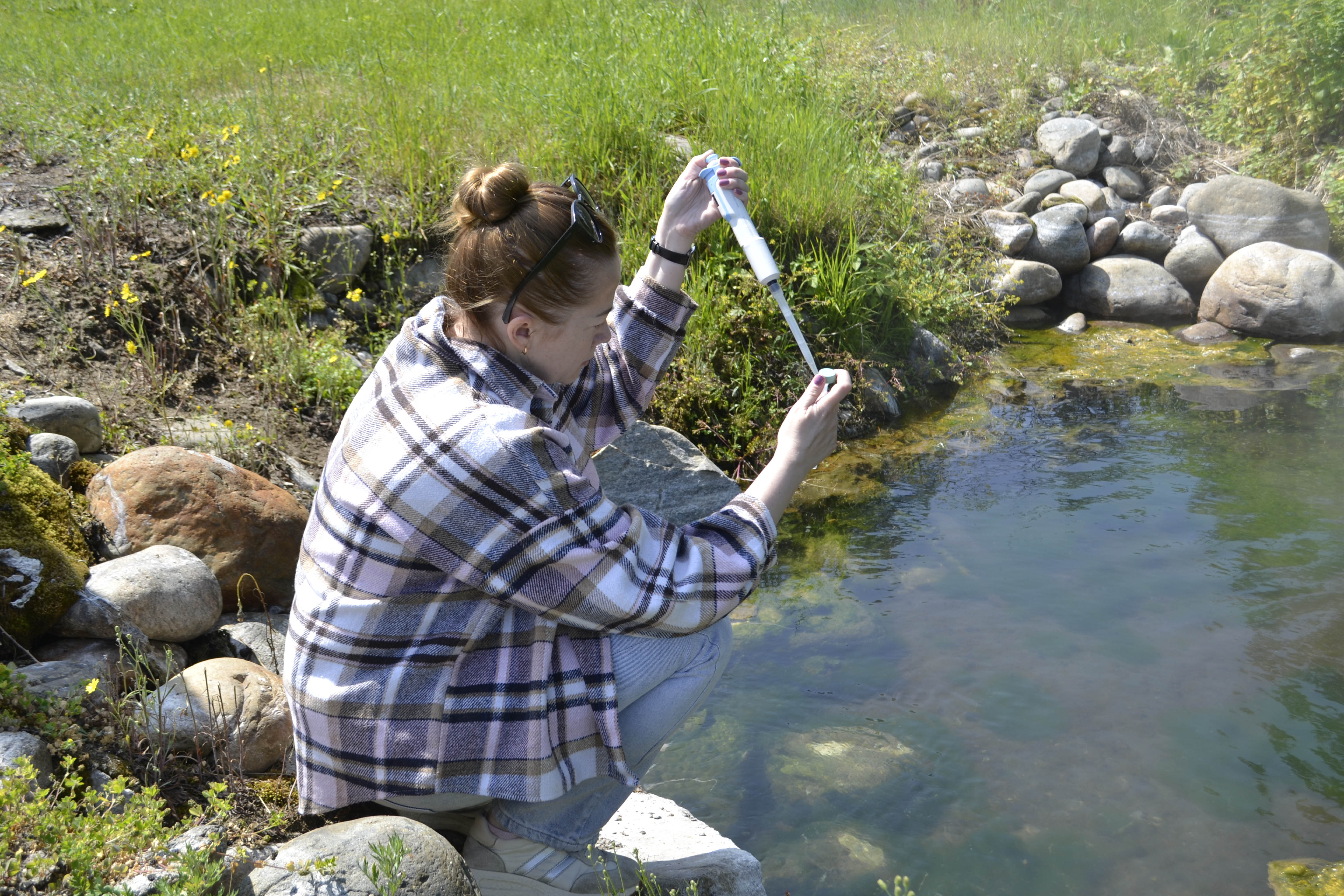
Samples of colorless sulfur bacterium Thioploca were taken from the sediments of a low-temperature source in Frolikha Lake for further analysis of its genome and identification of genetic diversity of this genus in the sediments of Lake Baikal. To study the contingency of the sulfur cycle in the sedimentary strata of Lake Baikal and hydrogen sulfide land hot springs, 70 liters of water from the Kotelnikovsky source (water T = +80 °C) were filtered for further DNA extraction and genomic analysis, cultures were taken to isolate thermophilic microorganisms.
A search was carried out for rhodochrosites in the bottom sediments of the mud volcano of St. Petersburg and Frolikha. Concretion samples were obtained for scanning electron microscope analysis using EDAX for elemental composition evaluation. Distribution profiles of chemical parameters in sediments containing concretions were obtained. Analysis of the similarity of microbial communities from the formation of authigenic carbonates of siderite and rhodochrosite compositions will allow to discuss the mechanisms of their formation and contingency with environmental conditions.